In collaboration with Paige Taylor for The Australian
One of Australia’s last World War II commandos, who escaped the Japanese after being shot and garrotted through the neck and then spent the rest of his life repaying the kindness of the Timorese people who saved him, has been laid to rest in Perth.
Keith Hayes’s granddaughter Kirrily Robson told the service she and her cousins were adults before they knew the astonishing story of the day in February 1942 when he was lined up for execution after the Japanese invaded what is now East Timor.
Fifteen of Mr Hayes’s mates were massacred that day, but Mr Hayes regained consciousness and crawled away with gunshot and bayonet wounds in his neck. At great risk to themselves, locals hid Mr Hayes in the home of Donnabella (Berta) Martins, who treated his wounds and kept him alive until he could be smuggled back to his unit.
To Ms Robson, Mr Hayes was “Poppa”, who always had time to kick the footy with her when she was a kid. As an adult, she said he was a role model of good manners and sound values.
“I never saw my Poppa raise his voice or speak disrespectfully to or about anyone,” Ms Robson told mourners yesterday.
Mr Hayes, who died last week aged 97, may not have spoken much about his miraculous escape from death, but his eldest son Trevor said in yesterday’s eulogy that his father was driven to repay what he felt was a “huge debt” to Martins — who died many years ago — for harbouring and healing him during the war.
“They had a special bond,” Trevor told the service.
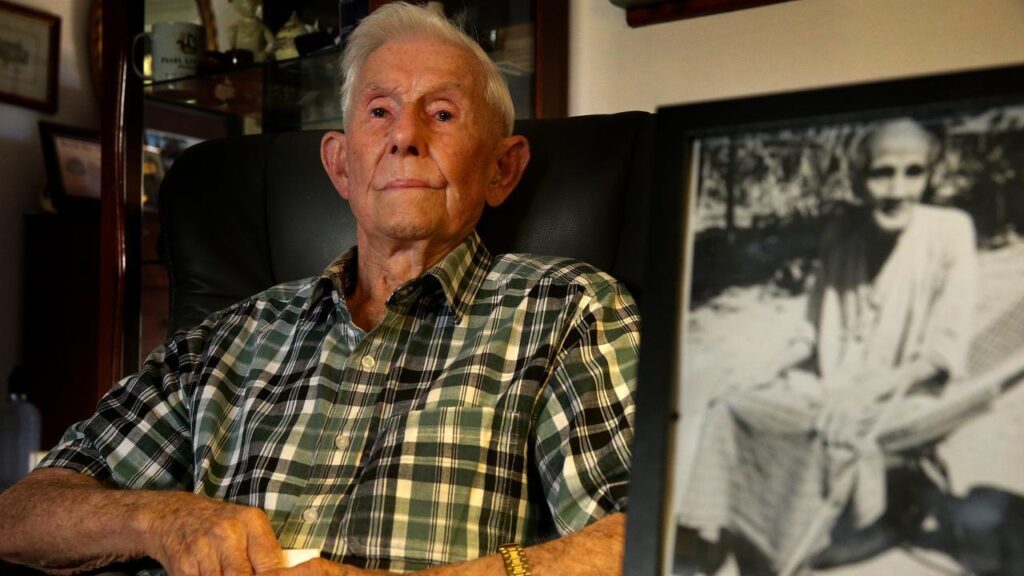
Martins was a childless, middle-aged woman when she took care of the 21-year-old Mr Hayes, and throughout his life he called her his second mother.
Hayes repaid this debt by serving the Timorese people, including by sending furniture and other items in sea containers, work that was recognised with an Order of Australia Medal in 2007.
Mr Hayes’s youngest son, Hylton, told the service that about a year ago he found a photo of Martins in his father’s wallet with one of boxer Muhammad Ali’s most famous quotes written on the back: “Service to others is the rent you pay for your room here on Earth.”
In a letter to Mr Hayes’s family read at yesterday’s service, East Timor Prime Minister Xanana Gusmao said it had been a great privilege to have known him personally since 2004, adding: “I was deeply moved by his courageous spirit”.
Mr Gusmao described Mr Hayes’s rescue as the beginning of a lifelong friendship with the Timorese people. “While he was both humble and unassuming, his courage, integrity and determination to fight for human dignity and the Timorese people will not be forgotten,” he wrote.
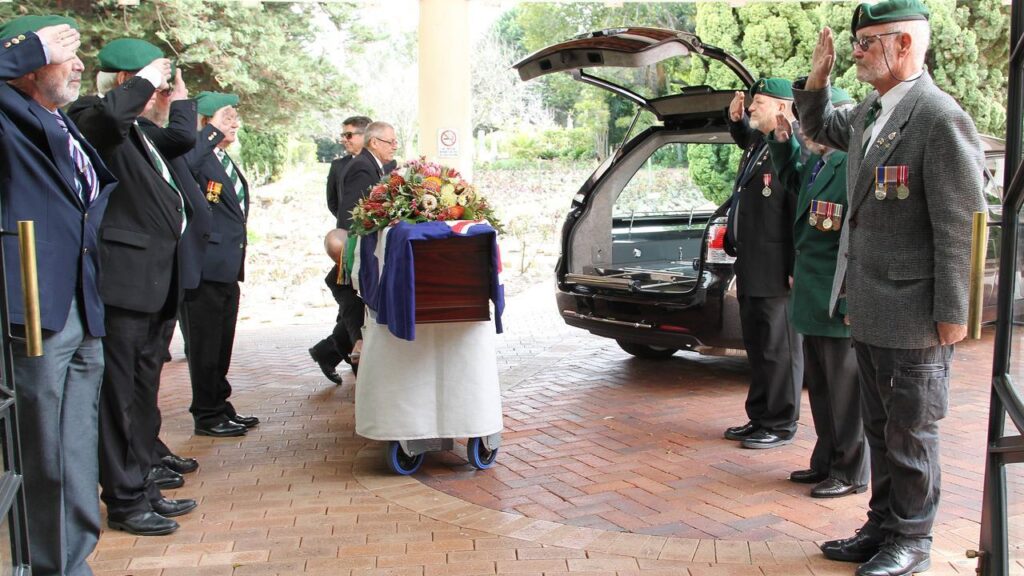
The Australian Commando Association formed a guard of honour at his funeral. There were many Timorese among those who came to pay their respects, including East Timor’s ambassador to Australia, Abel Guterres, and the children of some of Mr Hayes’s fellow unit members.
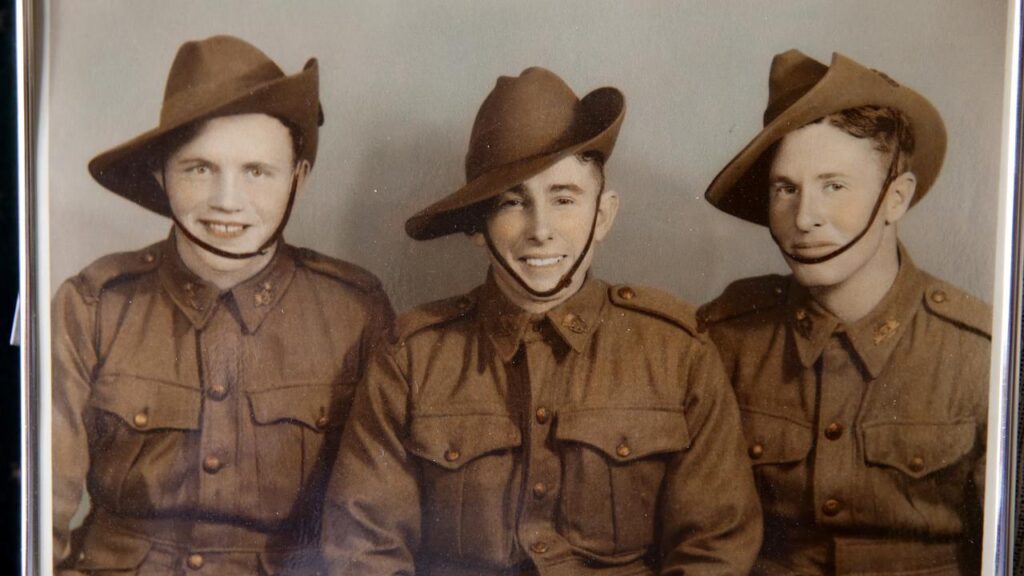
Mr Hayes was one of Australia’s first commandos. After enlisting in the regular army, he joined the 2/2 Independent Company, the forerunner of today’s SAS. Also known as the “second-second”, the unit was deployed to the island of Timor as part of a forward defence strategy.
In early 1942, the 2/2 became the only unit in the 22,000-strong 8th Division to face the Japanese onslaught, remain an integrated force and fight back. As the 2/2 was trained to fight guerilla warfare, the mountains of Timor and the support of the locals provided ideal conditions to fight back throughout 1942.
But initially things went badly for the Australians. Mr Hayes was one of 17 men captured in Dili, East Timor, the day after the Japanese invaded. After he escaped, two boys from the village brought him to Martins’s dirt-floor hut.
“I managed to get up and they came down and they took me to dear old Berta and from then on she was in charge,” he told The Australian in 2016.
Martins treated his wounds using mud packs and banana leaves and nursed him back to health. She cared for him in her village hut despite being terrified the Japanese would discover him.
Mr Hayes’s wife Val, whom he called Blossom, died five years ago. His extraordinary story will feature as a permanent exhibit at the Western Australian Museum, which is due to open in 2020.
The featured image shows the late Keith Hayes with a photograph of his saviour Donnabella (Berta) Martins.
Leave a Reply